Occasional Driver Insurance for Seniors in South Carolina
Whether it makes sense depends less on your age than on how your insurer defines an occasional driver and what you actually save.
Yes, if your insurer offers it and your driving has dropped off
Some insurers in South Carolina will lower your premium if you drive far less than you used to, and age is often the reason that happens. If you've stopped commuting, gave up a second car, or only drive to appointments and the store, you may be using the car far less than your policy assumes.
This isn't a special senior program. It's a rate category some insurers use for anyone who drives below a certain amount, and you qualify by your mileage, not your birthday. The company decides whether to offer it, how to verify your mileage, and how much difference it makes to your premium, so the answer depends on which insurer you have.
Your actual mileage is what the insurer checks
To be rated as an occasional driver, you usually have to tell your insurer how many miles you drive in a year, and some companies ask you to estimate it while others track it through a mileage check or a snapshot of your odometer. If your estimate is too high, you lose the discount even though you qualify.
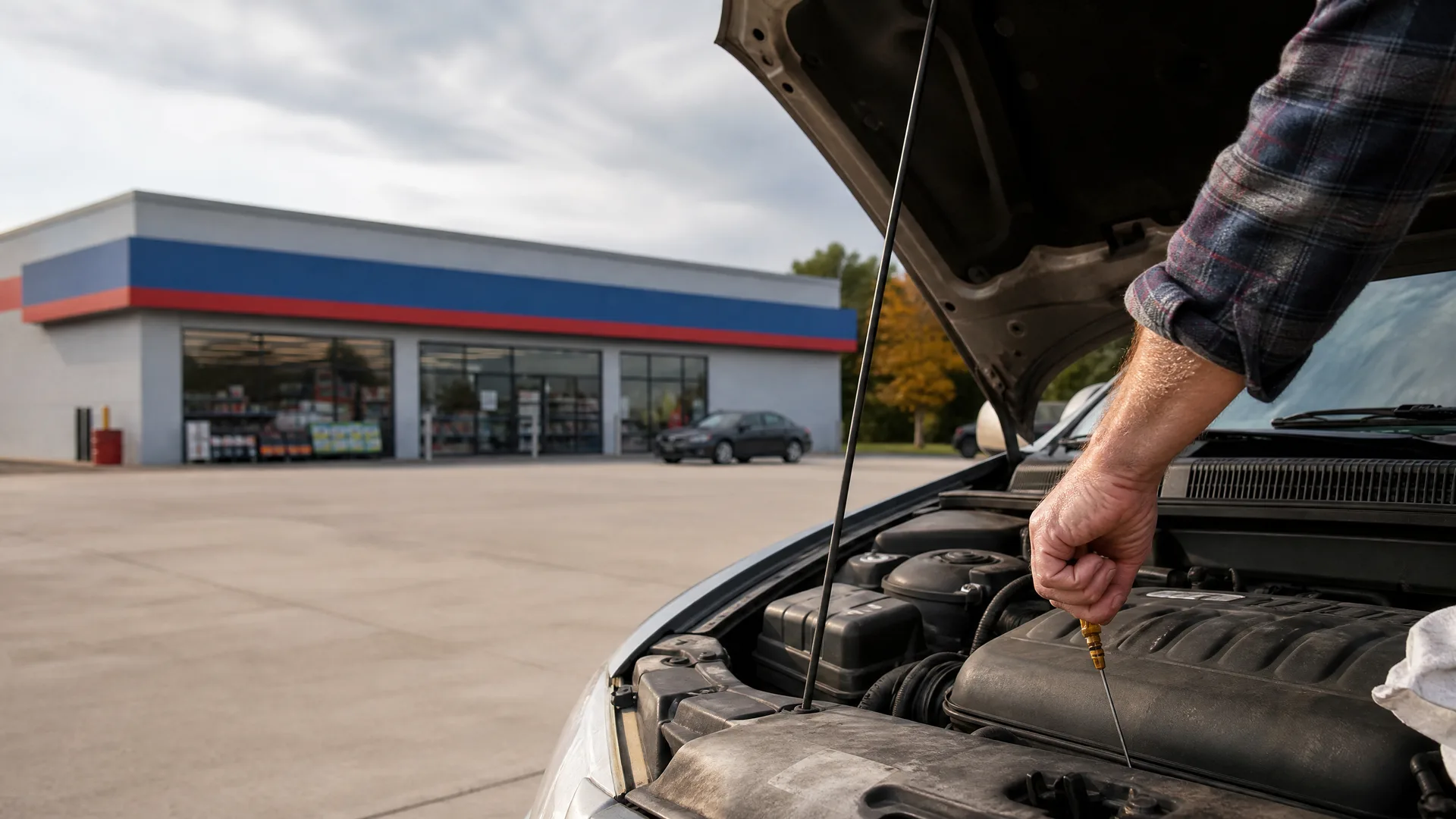
Before you call your insurer, look at your last two or three oil change receipts or inspection records. They usually list the odometer reading and the date, so you can work out roughly how many miles you've put on the car over the past year. That number is what you'll need to give them.
If you've recently stopped driving to work, moved somewhere you walk more, or given up a car entirely, your mileage may have dropped enough to matter even if it hasn't in past years. It's worth checking again now rather than assuming your last renewal still reflects how you drive.
How your insurer treats a second driver in the household
If there's another driver in your household who uses the car more than you do, some insurers want that person listed as the primary driver and you as the occasional one. That changes whose record and whose age the insurer rates the policy on, which can move the premium in either direction.
This matters most for couples where one person has mostly stopped driving but the car is still used regularly by someone else. Ask your insurer directly how they decide who counts as the primary driver, because the rule isn't the same everywhere.
If you're the only driver and the car sits unused for long stretches, mention that too. Some insurers have a separate category for a car that's driven rarely or seasonally, and it's worth asking whether that applies instead of or alongside an occasional driver discount.
Questions people ask about this
does giving up my car for an occasional driver policy affect my coverage?
Being listed as an occasional driver doesn't reduce your coverage, it changes how your premium is calculated. You still have the same liability and other coverage limits you chose, just rated on lower expected mileage. If you're unsure, ask your insurer to confirm your coverage stays the same before you agree to the change.
will my insurer lower my rate automatically as I drive less?
No, you generally have to tell your insurer your mileage has gone down. Insurers don't usually track how much you drive unless you're enrolled in a mileage-based or usage program, so if you don't report it, your policy may still be rated on old estimates.
does an occasional driver discount affect my coverage if I lend my car to someone else?
It depends on your policy and your insurer's rules about who else is allowed to drive the car. If you occasionally lend your car to a friend or family member, ask your insurer how that's handled, since being rated as an occasional driver yourself doesn't automatically cover every other driver.
what happens if I drive more than I estimated?
If your actual mileage ends up higher than what you told your insurer, they may adjust your premium at renewal or when they verify mileage, depending on how they check it. Some insurers ask for an odometer reading at renewal, so it's worth keeping your estimate honest rather than guessing low.
can I switch back if I start driving more again?
Yes, you can usually update your mileage estimate at any time, not just at renewal. If your driving increases, whether from a move, a new routine, or driving for someone else, call your insurer and update the policy so it reflects how you're actually using the car.
See how different insurers in South Carolina handle occasional driver rates before you commit to one.

Pull together your last couple of odometer readings so you have a real mileage figure, not a guess. Call your current insurer and ask whether they offer an occasional driver rate, what mileage threshold qualifies, and how they verify it. Ask specifically how they'd treat your household if someone else drives the car more than you do. While you're comparing, get quotes from a few other insurers using the same mileage figure, since not every company treats low mileage the same way. If your policy is up for renewal soon, do this before it renews so any change applies to your next bill rather than waiting a full year.