Pay Per Mile Car Insurance for Seniors in Colorado
It's available in Colorado and can cost less if you drive little, but it depends on how little and what you're driving instead of paying for.
It can work, if your mileage is genuinely low
Pay per mile insurance is sold in Colorado, and a driver who has cut back on driving can end up paying less with it than with a standard policy. The insurer tracks your miles, usually with a plug-in device or an app, and charges a base amount plus a rate for each mile you drive.
Whether it saves you money comes down to how few miles you actually drive in a year. If you still run errands daily, visit family, or drive to appointments often, a standard policy priced for your age and record may end up cheaper. The only way to know is to compare an actual quote against what you're paying now.

How much you actually drive decides this
Pay per mile pricing rewards low mileage, not age. An insurer offering it doesn't care that you're retired. It cares how many miles show up on the device each month.
If you've stopped commuting, stopped long road trips, or only drive within your town, your mileage may be low enough that this coverage costs less than a standard policy. If you still drive regularly, even without a commute, the math can go the other way, because the per-mile charge adds up.
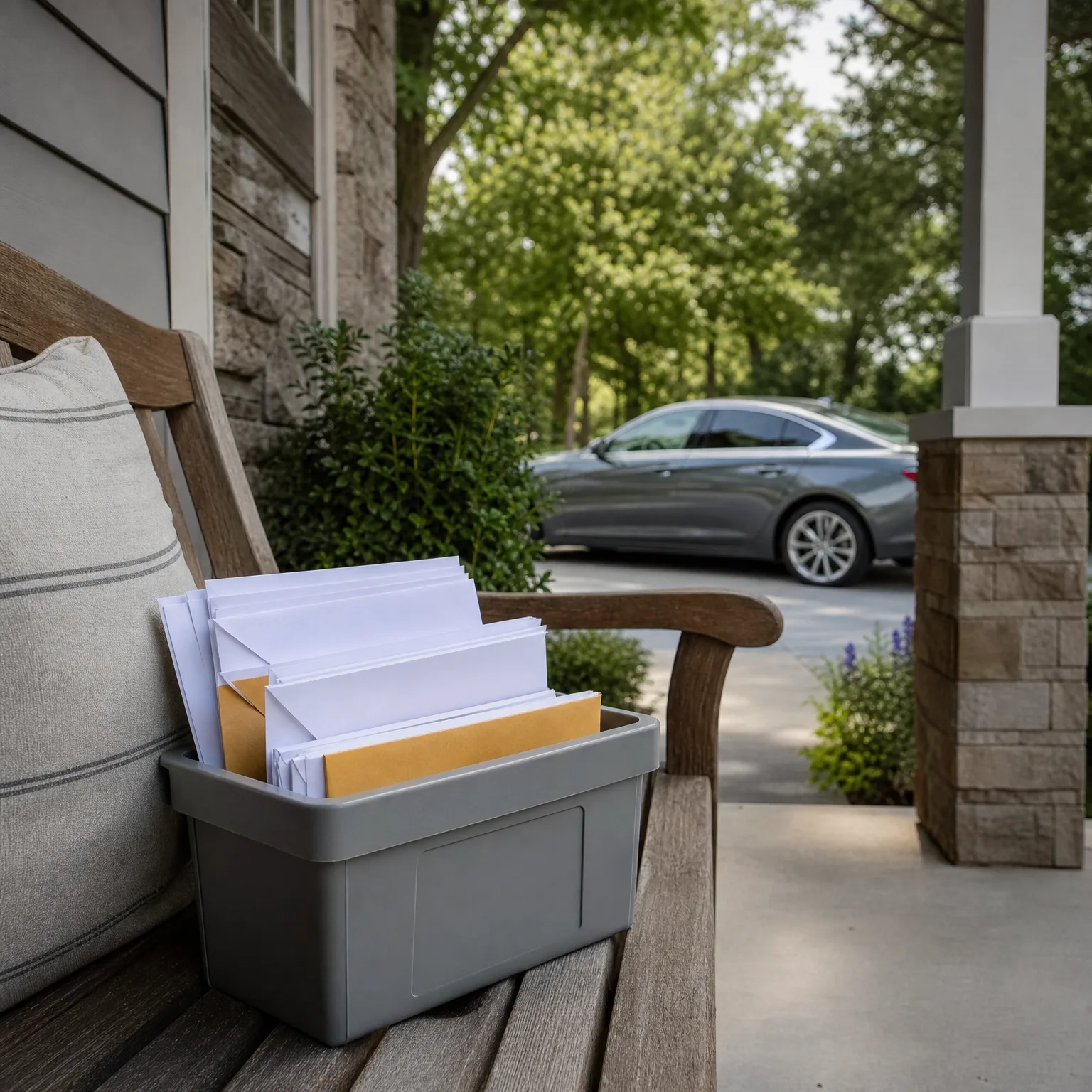
Before switching, track your actual mileage for a month or two if you don't already know it. Your current insurer can usually tell you your last renewal's estimated annual mileage, and that number is a reasonable starting point.
Some drivers find their mileage varies a lot by season, more trips in summer, fewer in winter. If that's you, ask whether the program bills monthly or estimates an annual average, since that changes how predictable your costs are.
What the device or app actually tracks
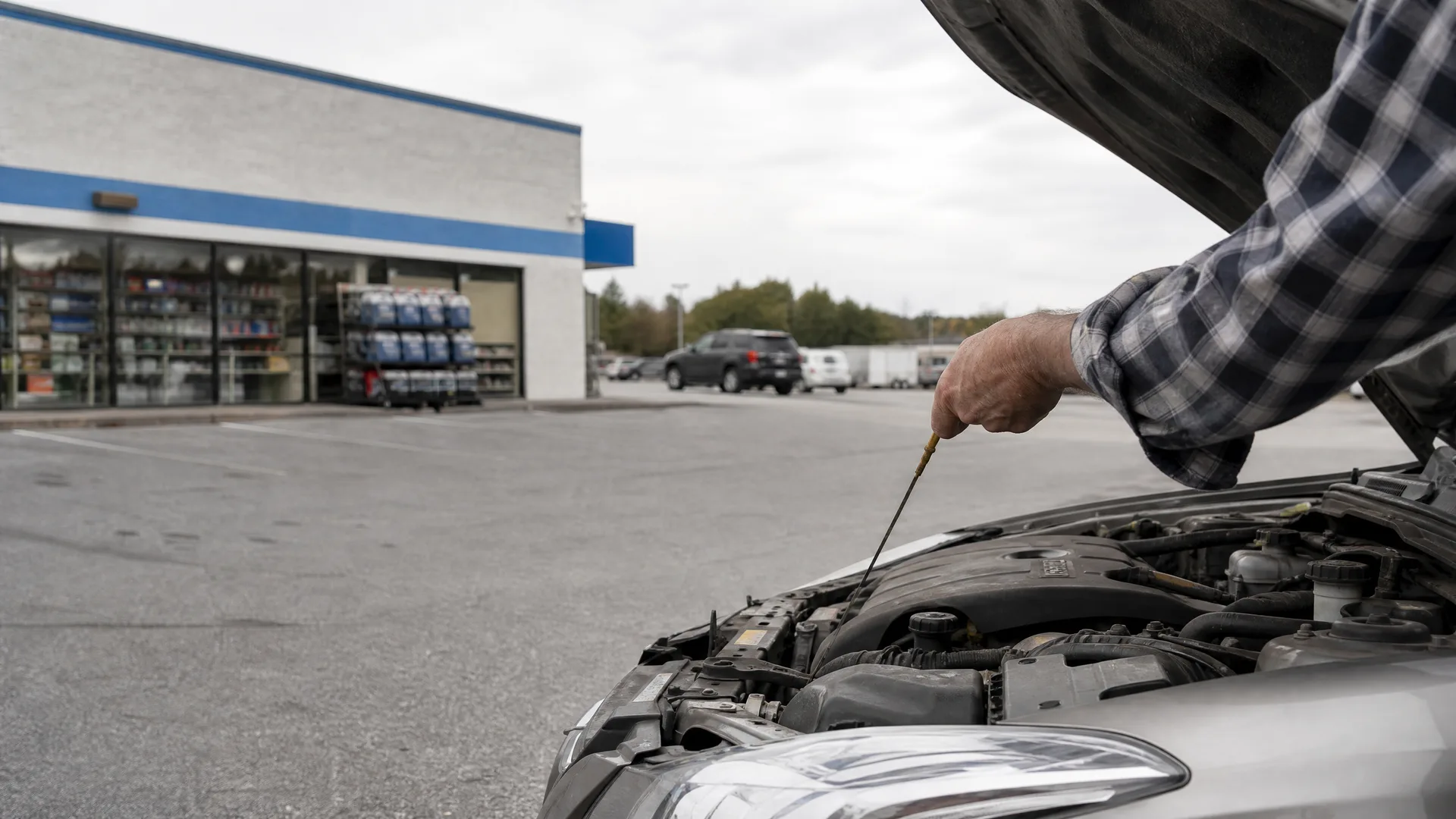
Every pay per mile program needs a way to count your miles, and the methods differ. Some use a plug-in device that reads your odometer or trip data. Others use a smartphone app that tracks location while you drive.
If you're not comfortable with a tracking device or app, or don't want your driving monitored beyond mileage, ask the insurer exactly what the device records before you agree to it. Some devices only count miles. Others also track speed, braking, or time of day, which can affect your rate separately from mileage.
Also ask what happens if the device fails or loses connection. Some insurers fall back to an estimated mileage in that case, which can cost more than if the device had worked correctly.
If you share a car with a spouse or family member, ask how the program handles that, since per-mile pricing is usually tied to a specific vehicle and driver combination, not a household.
Questions people ask about this
Does pay per mile insurance affect my driving record or license in Colorado?
No, it's a pricing method, not a license or record matter. Your driving record and license status work the same as they would with any other policy. Colorado's licensing rules, including anything related to renewal or vision testing, are set separately by the state and don't change based on how your insurance is priced.
Can I switch back to a regular policy if pay per mile costs more than expected?
Yes, you can switch insurers or policy types whenever your current policy allows it, usually at renewal or by canceling with notice. Ask your insurer about any cancellation fee or refund policy before you sign up, so you know your options if the mileage charges run higher than you expected.
Will a low-mileage discount give me the same savings without a tracking device?
Not necessarily, since a low-mileage discount applies a flat reduction based on your estimated annual mileage, while pay per mile charges you for each mile actually driven. If your mileage is very low and stays that way, the per-mile program can cost less. If your mileage varies, a flat discount might be more predictable. Ask your insurer to quote both ways.
Does pay per mile insurance in Colorado require a certain type of car?
That depends on the insurer, since not every company offers pay per mile for every vehicle type or model year. Older vehicles or those without the right onboard systems may not qualify for certain tracking devices. Ask any insurer you're considering whether your specific car is eligible before assuming it will work.
Is pay per mile insurance available if I only drive a car occasionally, like a second vehicle?
It can be a good fit for a vehicle that sits most of the year and gets driven occasionally, since you'd pay a small base amount plus charges only for the miles you do drive. Confirm with the insurer that occasional or seasonal use is something their program is built for, since some are designed around daily drivers instead.
If your driving has dropped off, see what a mileage-based policy would actually cost you.

Look at your last renewal notice and find the estimated annual mileage your current insurer used. Then check your actual odometer reading against what you recorded a year ago, or start tracking it now for a month. Call your current insurer and ask whether they offer a pay per mile or low-mileage option directly. When you compare quotes, ask each insurer what device or app they use, what it tracks beyond mileage, and how billing works if your driving varies month to month. Keep your current policy active until you have a firm quote in hand, not just an estimate.