Pay Per Mile Car Insurance for Seniors in Florida
It's sold in Florida and it can save a senior driver money, but only if the low mileage is real and steady.
Yes, Florida seniors can buy pay per mile coverage
A few insurers offer pay per mile policies in Florida, and age alone doesn't keep anyone out of them. What matters is how much you actually drive. These policies charge a base amount plus a rate for each mile, so they work best for someone who has genuinely cut back on driving, not someone who just thinks they have.
The companies that sell it in Florida vary in how they track mileage, some with a plug-in device, some by phone app, some by asking you to report your odometer. Before you switch, check which insurers offer it in your area and how they want to track your miles. Not every company sells this coverage everywhere in the state.
How much you actually drive decides whether this saves you money
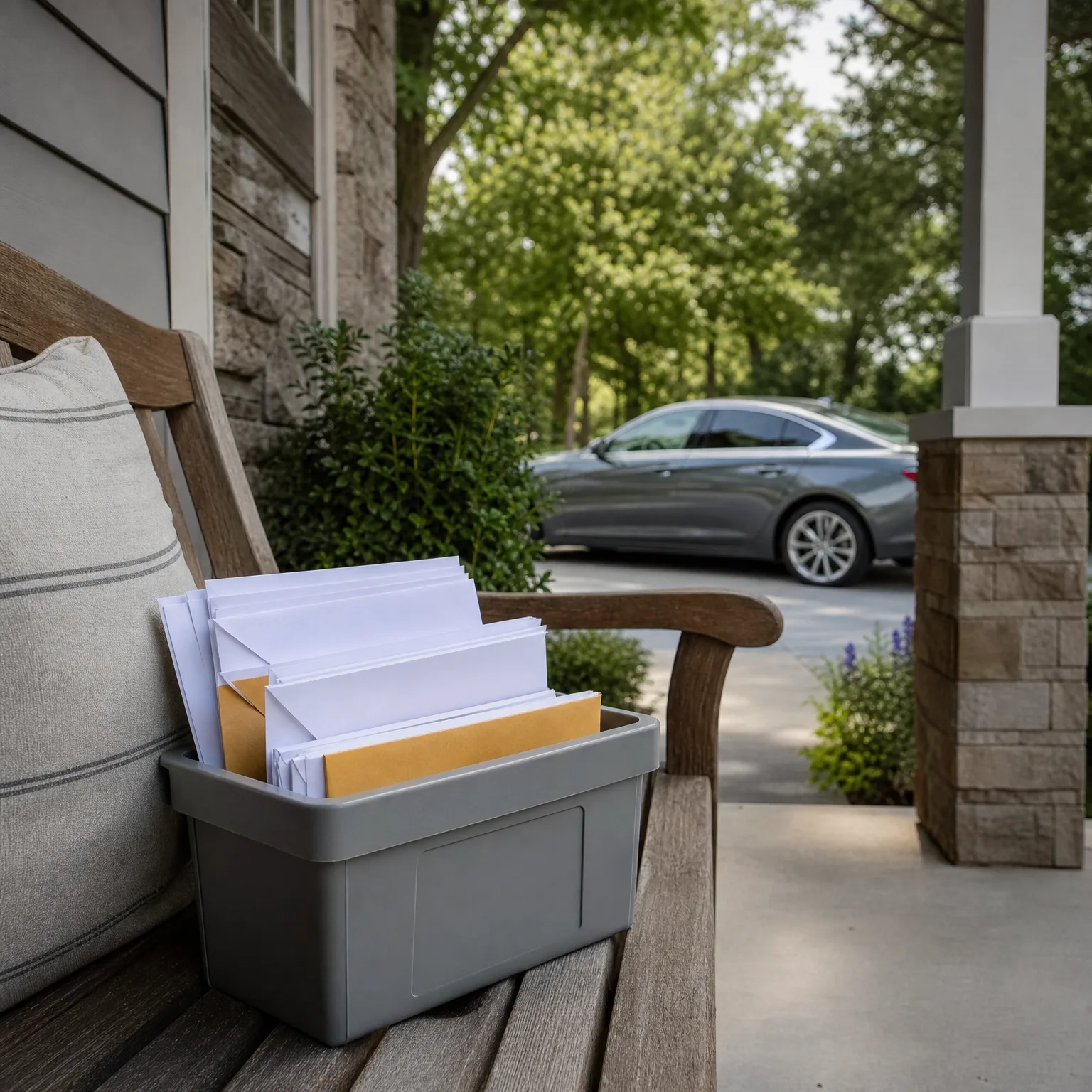
Pay per mile insurance helps the driver who has scaled back, someone who stopped commuting, runs fewer errands, or lets family drive them more often. If your yearly mileage has dropped in the last year or two, this is worth pricing out.
If you still drive a normal amount, a standard policy will likely cost less. The per-mile rate adds up fast once you pass a certain number of miles a month, and a traditional policy with a low-mileage discount might do the same job for less hassle.
Before you switch, add up your actual miles for the past year. Check your odometer readings from past oil changes or inspections if you have them. That number, more than your age, tells you whether this coverage fits.
Some insurers also set a mileage cap on these policies. If you take an occasional long trip, ask what happens to your rate or your coverage once you go over it.
What the tracking method means for you
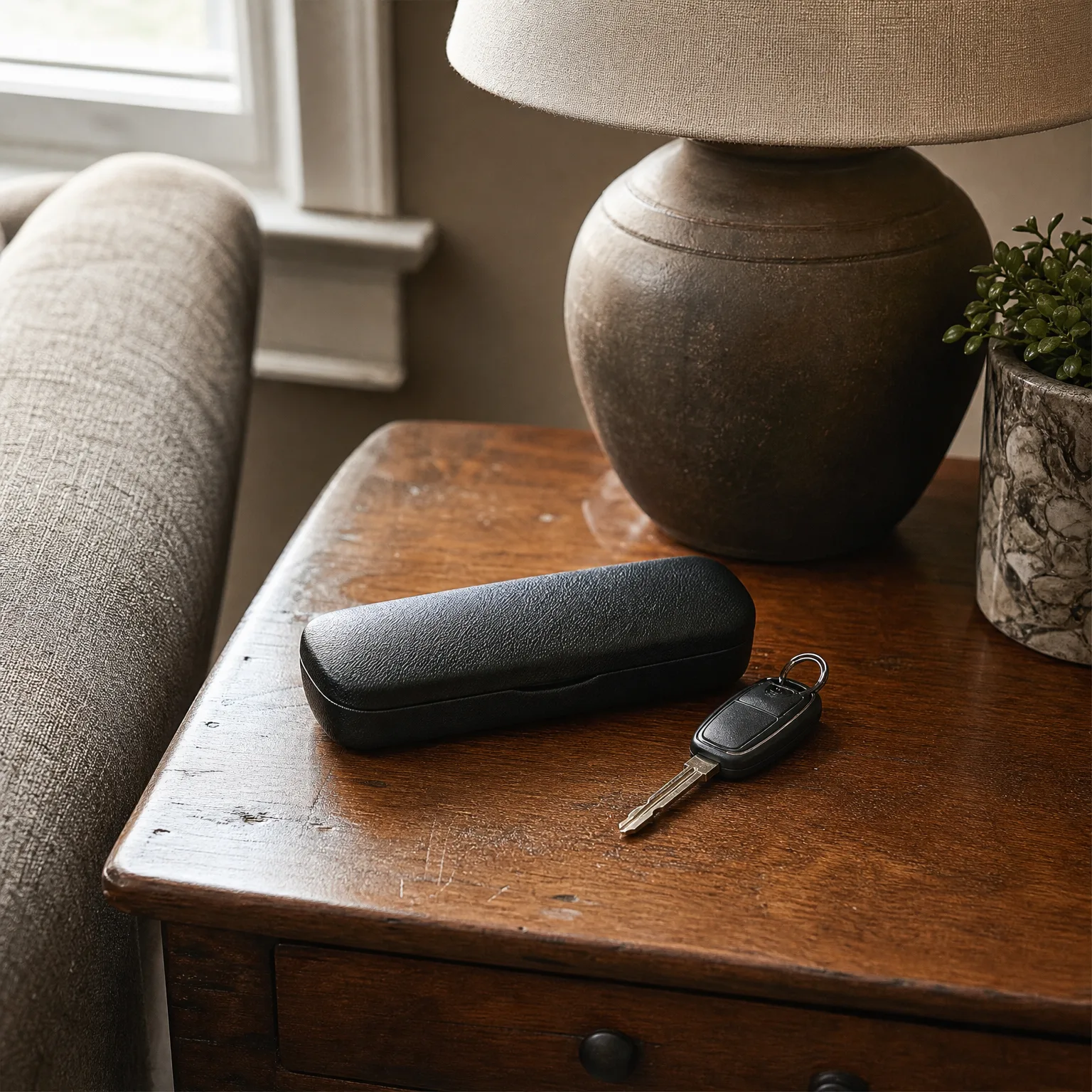
Every pay per mile insurer tracks your mileage somehow, and the method matters as much as the price. Some use a small device plugged into your car, some use a smartphone app, and some simply ask you to send in odometer photos on a schedule.
If you're not comfortable with a phone app or don't want a device plugged into your car, ask the insurer about the odometer-reporting option before you sign up. Not every company offers a choice.
Also ask what happens if you forget to report your mileage on time, or if the device loses connection. Some insurers estimate your miles in that case, and an estimate can end up higher than what you actually drove.
If you share the car with a spouse or family member, ask how the policy accounts for that. Combined mileage from multiple drivers can erase the savings you were expecting.
Questions people ask about this
Does pay per mile insurance cost more for older drivers in Florida?
Your age is one factor among several, but it isn't the deciding one for this type of policy. The per-mile rate itself is usually set by your driving record, your car, and where you live in Florida, the same factors that affect a standard policy. Ask any insurer you're considering how they weigh age against mileage in their rate.
Will pay per mile insurance affect my ability to renew later?
Renewal works the same way it does with a standard policy, the insurer reviews your record and your mileage history and offers new terms. If your driving habits change and you start driving more, ask the insurer how that affects your renewal rate before it happens, not after you get the notice.
Can I switch back to a regular policy if pay per mile doesn't work out?
Most insurers let you switch back to a standard policy, but check the specific terms before you sign up for pay per mile coverage. Ask whether there's a required commitment period and whether switching back resets any discounts or loyalty credit you've built up with that insurer.
Do I need a special device installed for pay per mile insurance in Florida?
It depends on the insurer. Some require a plug-in device or an app, others accept odometer photos you send in yourself. If you'd rather avoid a device, ask specifically which Florida insurers offer manual reporting before you commit to one.
Does pay per mile insurance cover the same things as a regular policy?
The coverage types are usually the same, liability, collision, comprehensive, whatever you choose, just priced differently. Confirm with each insurer that the coverage limits and extras you currently have, like roadside assistance, are still available under their pay per mile plan.
See which insurers offer pay per mile coverage where you live and compare it against what you're paying now.

Pull together your mileage for the last year using odometer readings from service records or inspections. Call your current insurer and ask what a low-mileage discount would save you, so you have something to compare against. Then look into which pay per mile insurers operate in your part of Florida and ask each one how they track mileage and what happens if you go over any cap. Bring your current policy's coverage limits with you so you can match them. Decide based on your actual annual mileage, not on how much you think you've cut back.