Pay Per Mile Car Insurance for Seniors in North Carolina
A few insurers offer pay per mile coverage in North Carolina, and it tends to work out best for seniors who've cut back on driving.
It's available, but from a limited set of insurers
Pay per mile insurance exists in North Carolina, sold by a small number of companies rather than every major insurer. If you drive less than you used to, which many retired drivers do, it can lower what you pay compared to a standard policy priced on estimated annual mileage.
The savings come from the gap between what you actually drive and what a regular policy assumes you drive. If you're still commuting, running errands daily, or driving grandchildren around often, that gap may be small and the switch may not help much. If your car mostly sits in the driveway, the gap is usually where the savings are.
How much you actually drive now
This is the thing that decides whether pay per mile makes sense at all. A standard policy charges you based on an estimated number of miles per year, and that estimate doesn't change just because you're driving less. Pay per mile charges you closer to what you actually use the car for.
If you've stopped commuting, given up a second car, or started relying on someone else for longer trips, your real mileage may be well below what your current policy assumes. That's the situation where switching tends to pay off.
Before you switch, look at your odometer readings from your last two or three oil changes or inspections. That gives you a real number to compare against what a pay per mile insurer would charge, rather than guessing.
If you still drive regularly, for work, for family, for errands you run yourself, the math may not favor pay per mile. A regular policy with a low mileage discount might get you most of the same savings without changing how your insurance works.
How the insurer tracks your miles
Pay per mile programs need a way to count what you drive, and that method varies by company. Some use a plug-in device, some use a phone app, and some ask you to report your odometer reading periodically. Each has tradeoffs worth asking about directly.
A plug-in device or app that tracks location continuously may also factor in driving habits like hard braking or time of day, which could affect your rate beyond just the mileage. If you'd rather not have your driving monitored that closely, ask whether the insurer offers a version that only counts miles, not how or when you drive.
If tracking technology itself is a concern, whether you're not comfortable with an app, or don't want a device plugged into your car, ask the insurer directly what the setup involves and whether there's an alternative. Some allow manual odometer reporting instead.
Also ask what happens if the device fails or the app stops reporting. You don't want to end up charged a default high-mileage rate because of a technical problem rather than your actual driving.
Questions people ask about this
Does pay per mile insurance cost more if I drive a lot one month?
Your bill that month will reflect those extra miles, since the whole point of the program is charging closer to actual usage. If your driving varies a lot month to month, ask the insurer how billing is structured and whether there's a cap.
Will pay per mile insurance affect my senior discount?
That depends on the insurer, since discounts and mileage-based pricing are set separately by each company. Ask directly whether a senior discount, a defensive driving course discount, or other reductions you already qualify for still apply under a pay per mile plan.
Can I switch back to a regular policy if pay per mile doesn't save me money?
In most cases yes, since these are typically offered as a policy option rather than a permanent change. Ask the insurer what the process looks like and whether switching back affects your rate history or any discounts you've built up.
Do I need a special device installed for pay per mile insurance?
It depends on the insurer, since some use a plug-in device, some use a phone app, and some rely on self-reported odometer readings. Ask which method a given insurer uses before you sign up, especially if you have concerns about privacy or aren't comfortable with the technology.
Is pay per mile insurance only for people who barely drive at all?
No, it can help anyone whose actual mileage is meaningfully lower than what a standard policy assumes, not just those who drive very little. The real test is the gap between your estimated annual mileage on your current policy and what you actually drive.
Compare quotes from insurers that offer pay per mile coverage alongside regular policies, and see which fits how much you actually drive.
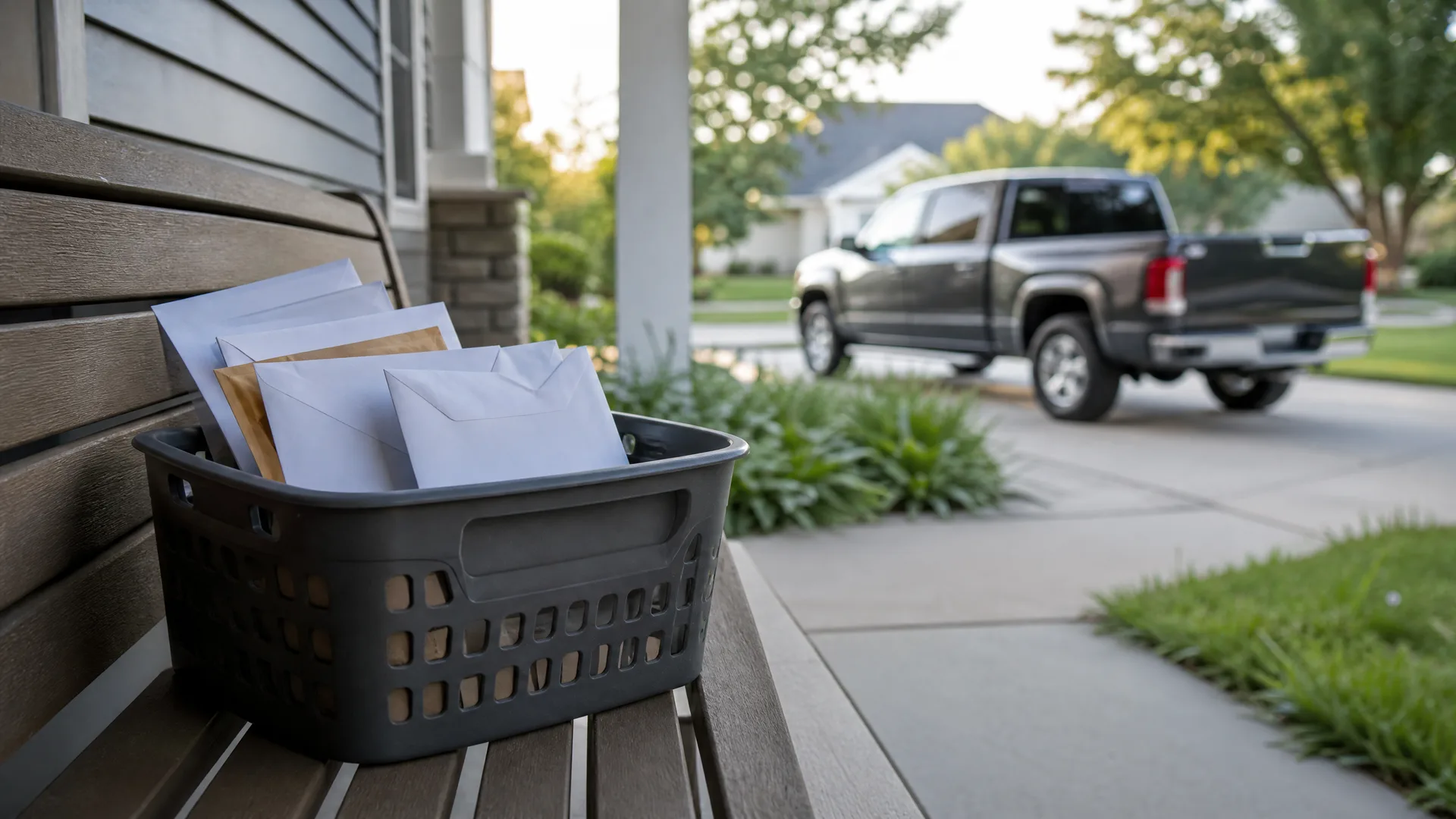
Pull your odometer readings from your last two or three service visits or inspections so you have a real sense of your annual mileage. Check your current policy for the mileage estimate it's based on and see how far off it is from reality. Call your current insurer and ask directly whether they offer a pay per mile option, and if not, which companies in North Carolina do. When you talk to a pay per mile insurer, ask how they track mileage, what discounts you already qualify for still apply, and what happens if you drive more than expected in a given month. Keep a copy of your current policy's declarations page handy, since it has the mileage estimate and discounts you'll want to compare against.