
Pay Per Mile Car Insurance for Seniors in Ohio
Pay per mile insurance exists in Ohio and can lower your premium if you drive little, but it's only sold by a few insurers and only helps if your mileage is genuinely low.
Yes, if you drive few miles and an insurer offers it in your area
Pay per mile insurance charges you a base rate plus a cost for each mile you drive, instead of charging the same premium no matter how much you're on the road. For a retired driver who no longer commutes, that can mean a lower bill than a standard policy, because standard premiums are built around average mileage that you may no longer come close to.
Whether it works out depends on how few miles you actually drive and on an insurer offering this kind of policy in Ohio. Not every company sells it, and not every company that sells it operates in every state. You'll need to check which insurers in Ohio offer a per mile program before you can compare it against what you pay now.
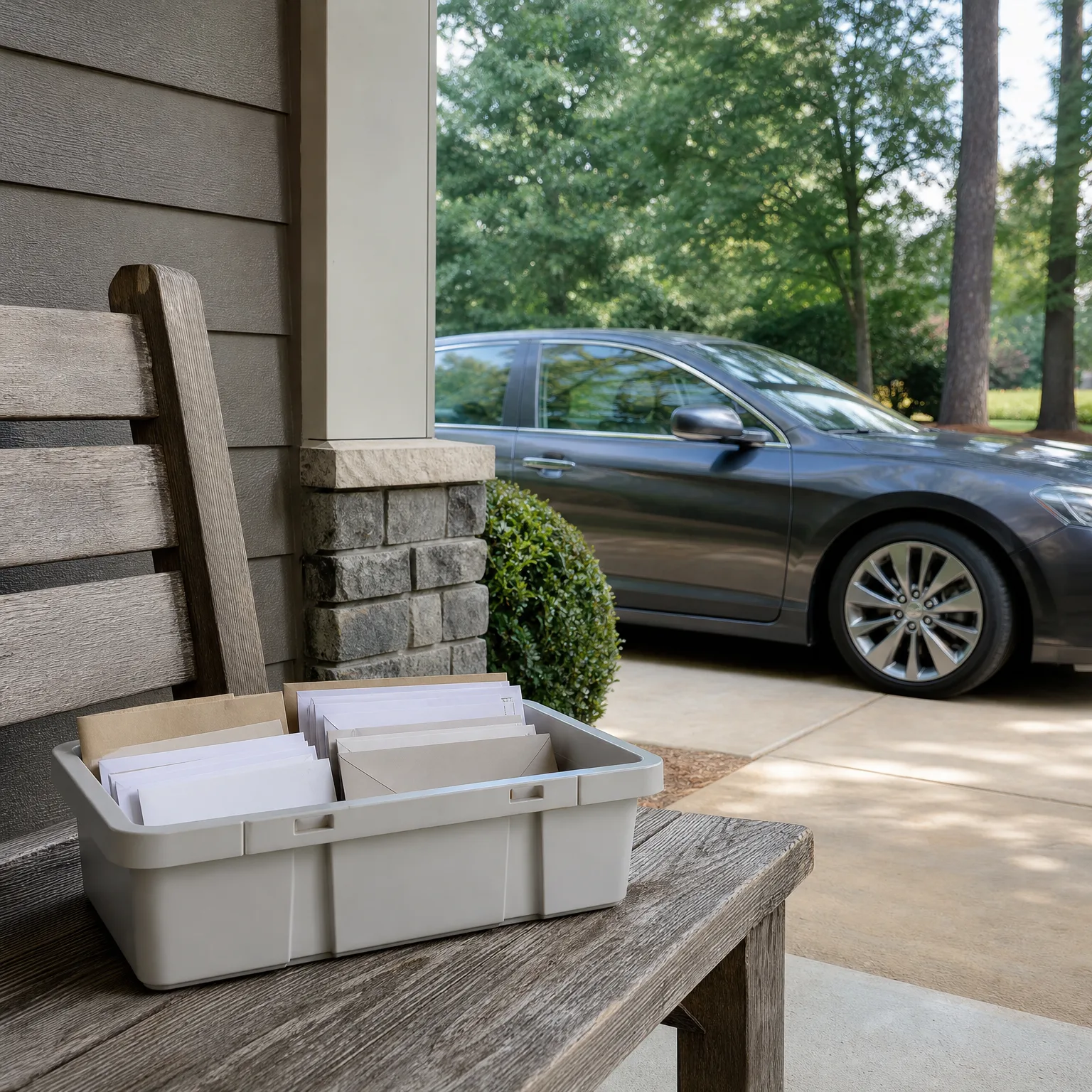
How many miles you drive decides whether it saves you anything
These policies work by charging less when you drive less. If you've cut back sharply since retiring, giving up a daily commute or long errands you used to run, your annual mileage may be low enough that a per mile policy costs less than a standard one.
But if you still drive regularly, to appointments, to see family, around town most days, the math can flip. A standard policy with a flat premium might actually cost less than paying for every mile on top of a base rate. The only way to know is to look at your actual mileage, which you can usually find on your odometer history or a recent inspection record, and compare it honestly against what a per mile plan would charge.
Some per mile insurers also use a tracking device or app to record mileage. If you're not comfortable with that, or don't drive a vehicle that supports it, this type of policy may not be practical for you regardless of how little you drive.

Age by itself doesn't qualify or disqualify you
Pay per mile insurance isn't built around age. It's built around mileage. Being a senior doesn't automatically get you access to it, and it doesn't shut you out of it either. What matters to the insurer is how many miles you log and, for some companies, how and when you drive.
What can affect your rate within a per mile policy is the same as any policy: your driving record, the car you drive, and sometimes how you drive if the policy monitors things like braking or time of day. A clean record and a car that's inexpensive to insure will help regardless of which type of policy you choose.
If you're comparing this option because a renewal notice went up, it's worth asking your current insurer directly whether they offer a mileage-based option before you switch companies. Some insurers offer a low-mileage discount on a standard policy that accomplishes something similar without changing how your insurance works.
Questions people ask about this
What counts as low mileage for pay per mile insurance?
There's no single number that applies everywhere. Each insurer that offers a per mile program sets its own base rate and per-mile charge, so what counts as low enough to save money depends on their specific pricing. Ask any insurer you're considering to show you how the math works for your estimated annual mileage before you commit.
Does pay per mile insurance require a tracking device?
Many pay per mile programs do use a plug-in device or a phone app to record how many miles you drive. Some newer programs can read mileage from the vehicle itself without an extra device. Ask any insurer you're considering exactly how they track mileage and what happens if the device fails or you don't want one installed.
Can I switch back to a regular policy if pay per mile doesn't save money?
Yes, you can generally switch insurance types or companies when your policy renews or, in many cases, before renewal with proper notice. Ask your insurer about any cancellation terms or fees before you sign up for a per mile policy, so you know what switching back would cost or require.
Will my rate go up if I drive more than expected on a pay per mile policy?
It can, since these policies charge based on actual miles driven. Ask the insurer how they bill for mileage beyond what you estimated and whether there's a cap on how much the per mile charges can add to your bill in a given period.
Does Ohio require anything different for seniors renewing their driver's license that affects insurance?
License renewal rules for older drivers are set by the state and can include vision tests or other requirements at certain ages. Check with the Ohio Bureau of Motor Vehicles for the current rules, since what's required there is separate from anything your insurer asks of you.
See which insurers in your area offer a pay per mile option before you decide if it's worth switching.

Pull your mileage for the last year from your odometer or a recent oil change or inspection record. Call your current insurer and ask directly whether they offer a pay per mile or low-mileage program in Ohio, and if not, whether any discount applies for reduced driving. Compare that quote against a couple of insurers known to offer per mile policies in your state. Ask each one how mileage is tracked and what the per-mile rate is, not just the base premium. If a tracking device is required, ask what it involves before you agree to it. Make the comparison before your current policy renews, so you have time to switch without a lapse in coverage.