Should I Keep Car Insurance If I Barely Drive
In most states you still need some coverage to drive legally, but how much you carry can often come down.
Yes, if you still own or drive the car at all
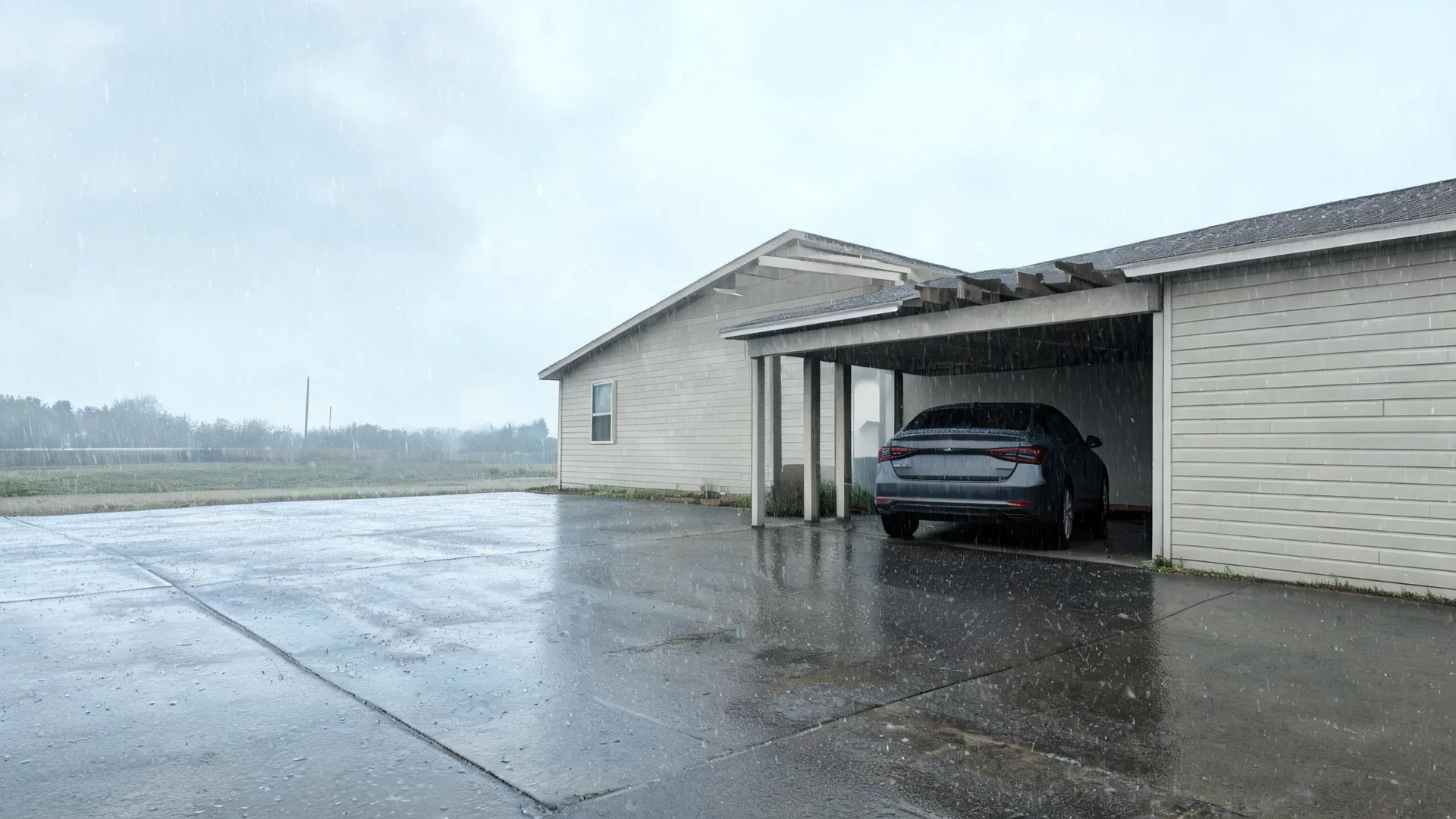
If the car is titled in your name and parked in your driveway, most states require you to insure it whether you drive it once a year or every day. Letting the policy lapse to save money usually costs more later, because insurers charge more once they see a gap in your coverage history.
What you can change is how much coverage you carry and what kind. A driver who rarely leaves the house doesn't need the same policy as someone commuting every day. The right move is usually to call your insurer and ask about reducing coverage or adding a low-mileage discount, not dropping the policy altogether.
Whether the car still has a loan or lease on it
If you still owe money on the car, your lender almost certainly requires you to carry full coverage, meaning liability plus comprehensive and collision. You don't have a choice here even if you only drive to the grocery store once a week.
Once the car is paid off, you get more room to decide. Some drivers in this position drop collision coverage and keep only liability and comprehensive, since the payout for a minor collision might not be worth the added premium. This only makes sense if you could afford to replace the car yourself if it were totaled.
If you're not sure whether your loan is paid off or what your lender requires, your loan statement or a call to the lender will tell you. Don't assume based on how old the loan is.
Whether letting it lapse creates a bigger problem later
Dropping insurance entirely, rather than just reducing it, can create two problems. First, if the car is registered, most states still require proof of insurance to keep that registration active, and driving an uninsured registered car can bring fines or a suspended license depending on where you live.
Second, insurers track coverage gaps. If you cancel the policy now and want it back later, whether because you start driving more, sell the car, or buy a new one, the insurer will often charge a higher rate because the gap signals risk to them.
If you're set on not driving at all for a long stretch, ask your state's motor vehicle agency what happens to the registration if you cancel insurance. Some states let you file paperwork to suspend both together, which avoids the lapse penalty. This varies by state, so check before you cancel anything.
Questions people ask about this
Can I just insure the car for liability only if I barely drive it?
In most states, yes, as long as the car isn't under a loan or lease that requires full coverage. Liability-only policies cost less but won't pay to repair or replace your own car after an accident, so weigh that against what the car is worth.
Does low mileage actually lower my premium?
It can, because insurers generally see fewer miles driven as fewer chances to have an accident. Ask your insurer directly whether they offer a low-mileage discount and what proof they need, since some ask for odometer readings or a mileage estimate at renewal.
What happens if I stop driving but don't cancel the registration?
You'll likely still owe insurance to keep that registration valid, even if the car never leaves the garage. If you want to stop paying for insurance, you generally need to cancel the registration too, and the process for doing that is set by your state.
Is it cheaper to remove myself from the policy and add a family member instead?
It depends on who's actually driving the car and what your insurer allows. Insurers generally want the primary driver named on the policy, so ask yours directly whether this is even an option before assuming it saves money.
Will my rate go up if I let my insurance lapse for a few months?
Often, yes. Insurers use continuous coverage as a sign of lower risk, and a lapse, even a short one, can mean a higher rate when you reapply. Ask any insurer you're considering how they treat a recent lapse before you let one happen.
See what it would actually cost to adjust your coverage instead of dropping it.
Pull out your current policy and your loan statement, if you have one, before you do anything else. Call your insurer and ask specifically about low-mileage discounts and whether you can reduce to liability-only without violating a loan requirement. If you're considering canceling the policy entirely, call your state's motor vehicle agency first and ask what happens to your registration, since in many states you'll need to turn in plates or file a form to avoid a lapse penalty. Only after you have both answers does it make sense to compare what a reduced policy would cost against what you're paying now.