What Is Parked Car Insurance
It's a reduced policy for a car that isn't being driven, and it covers less than your regular policy does.
A lower-cost policy for a car that stays off the road
Parked car insurance, sometimes called storage insurance, is a version of your policy you ask for when your car won't be driven for a while. It usually keeps comprehensive coverage, which pays out for fire, theft, vandalism, or weather damage while the car sits. It drops liability and often collision, since those only matter when the car is moving.
This matters for an older driver who stops driving for a season, moves into assisted living, or has a car waiting for a family member to use it. Instead of canceling the policy outright, which can leave a gap in your coverage history, you ask your insurer to switch you to this reduced version for as long as the car stays parked.
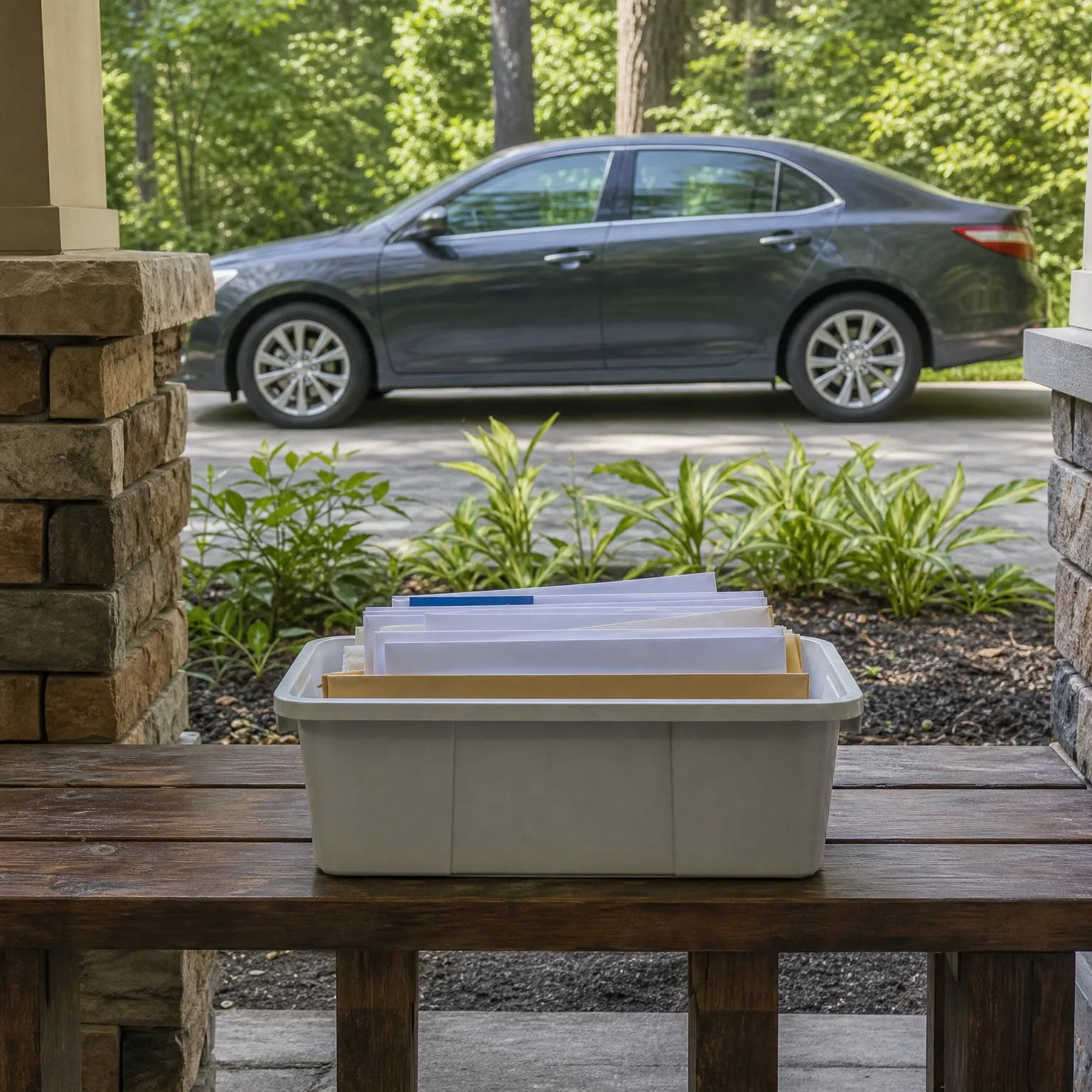
Your insurer decides what counts as parked
Not every insurer offers this exact option, and the ones that do define it differently. Some want the car in a garage or off the street. Some want proof it hasn't moved, through mileage or a storage address. Call your insurer and ask directly what they call this coverage and what they need from you to qualify.
This is also where the biggest mistake happens. If you drop liability and then drive the car, even once, to a doctor's appointment or to keep the battery charged, you're driving uninsured for anything that happens on that trip. Ask your insurer whether any driving at all is allowed under the parked policy, and if so, how much.
If you're moving a parent's car into storage rather than your own, ask whether the policy can stay in their name or needs to move to yours. Insurers handle this differently, and it affects whose driving record and age the rate is based on.
What it doesn't protect you from
Comprehensive coverage protects the car itself. It does not protect you if someone else is hurt or their property is damaged, because that's what liability covers, and liability is usually the part you're dropping. If anyone else might start the car and move it, even briefly, that's a real gap.
It also doesn't cover ordinary wear from sitting unused, like a flat tire from age or a battery that dies. Those are maintenance issues, not insurance claims.
Before you switch, ask your insurer what happens when you want full coverage back. Some reinstate it the same day you ask. Others want advance notice or a new inspection, especially if the car has been parked for a long stretch.
Questions people ask about this
Can I just cancel my car insurance instead of switching to a parked policy?
You can, but canceling can create a gap in your coverage history, and insurers often use that gap to raise your rate later or treat you as a new customer. Switching to a parked or stored policy keeps your history continuous while lowering your cost. Ask your insurer how a cancellation versus a reduced policy would affect your rate when you're ready to drive again.
Does parked car insurance cover theft?
Comprehensive coverage, which parked policies usually keep, covers theft of the car itself. It's one of the main reasons people keep this coverage instead of dropping insurance entirely while a car sits unused. Confirm with your insurer that comprehensive is included in whatever they call their parked or storage option.
Do I need parked car insurance if the car is in my garage?
Being in a garage lowers the risk but doesn't remove it. Fire, flooding, and damage from a break-in can still happen to a parked car in a garage, which is what comprehensive coverage is for. Whether you need the coverage depends on how much you're willing to risk if something does happen, not on where the car sits.
Will my rate go up when I switch back to full coverage?
That depends on your insurer and on what changed while the car was parked, including your age, your location, or your driving record. Ask your insurer to quote the full coverage rate before you switch back, so there are no surprises. A period with no driving at all shouldn't count against you, but confirm that directly.
Can someone else drive my car while it's on a parked policy?
Usually not, since the liability coverage that protects other drivers is typically what gets dropped. If a family member needs to drive the car even occasionally, say so when you talk to your insurer, because that changes which policy actually fits your situation. Driving a car insured under a parked policy without checking first can leave both of you unprotected.
See what a parked or standard policy would cost for your situation before you decide which one fits.
Call your insurer and ask what they offer for a car that won't be driven, and what they call it. Have your policy number and an idea of how long the car will sit unused. Ask specifically whether any driving is allowed under that coverage, and what you need to do to switch back to full coverage later. If a parent's car is involved, ask whose name the policy should be in while it's parked. Write down the answers, since you'll want them when the car goes back on the road.