What Is the Cheapest Coverage for a Car That Sits
The lowest-cost option is typically state minimum liability, though a car that doesn't move still needs the right coverage for how and where it's stored.
Minimum liability coverage, if you still drive it sometimes
If the car is still registered and driven occasionally, the cheapest legal option is your state's minimum liability coverage. This covers damage you cause to others but nothing on your own car. Dropping comprehensive and collision saves the most, since those two cover theft, weather, fire and other damage to the vehicle itself, and they cost more the newer or more valuable the car is.
This only makes sense if the car isn't worth much or isn't financed. A lender usually requires comprehensive and collision for as long as you owe money on it, so you don't get to choose minimum coverage until the loan is paid off.
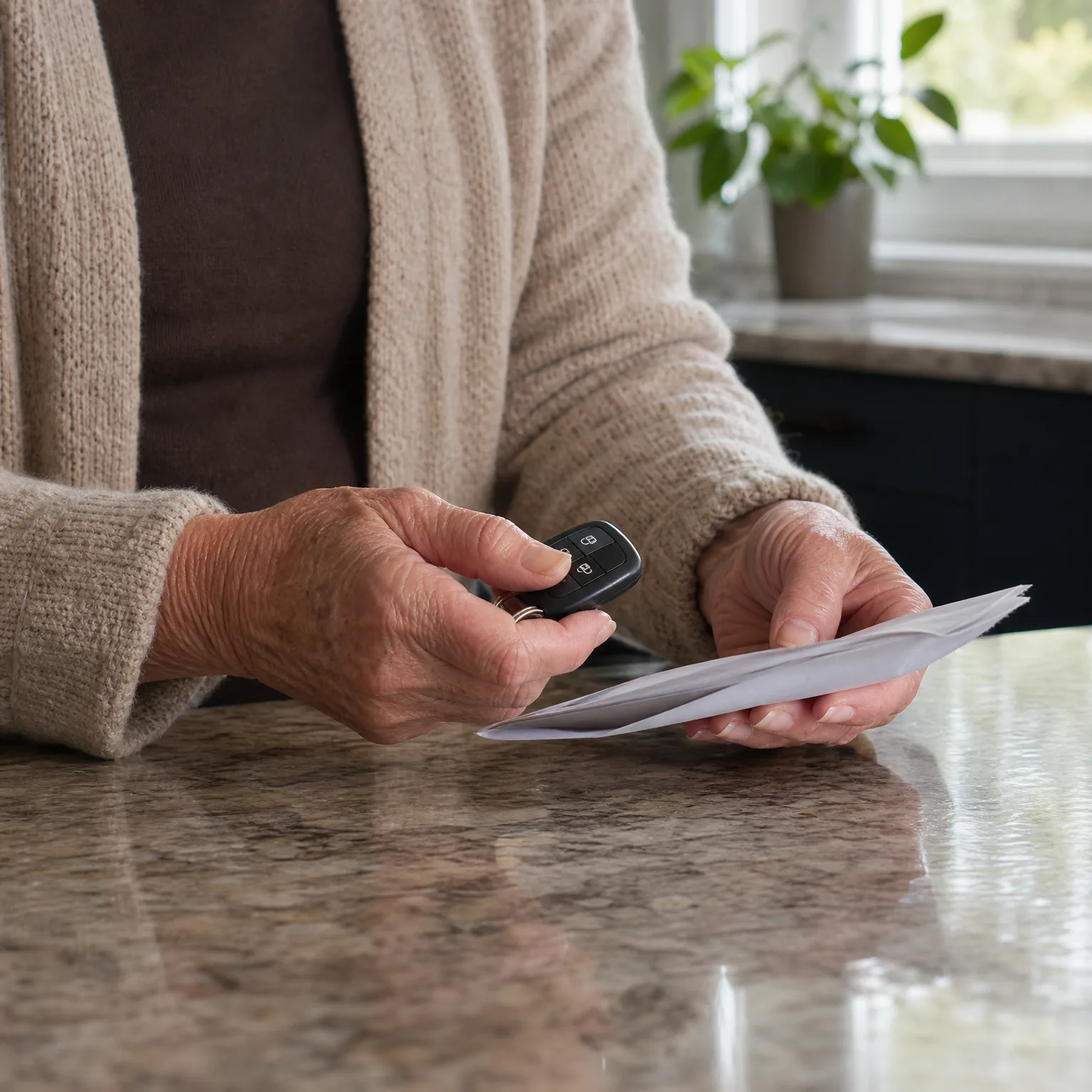
Whether the car is still registered and on the road
A car that sits most of the time but is still registered and insured for occasional trips needs liability coverage at minimum, and your state sets what that minimum is. Check your state's requirement, since it varies and determines the floor for what you're legally allowed to carry.
If the car never leaves the driveway or garage, ask your insurer about a storage policy or parked-car coverage, sometimes called comprehensive-only coverage. This covers theft, fire, vandalism and weather damage without the liability or collision piece, since there's no driving risk to insure against. It's usually cheaper than a full policy but still protects the car's value.
Some states allow you to keep the car registered but file it as non-operational, which can let you carry no insurance at all. Ask your state's DMV whether this option exists and what it requires, since the rules and paperwork differ by state.
If you plan to drive the car again soon, ask your insurer what happens to your record and your rate if you let the policy lapse versus keeping a reduced policy active. A gap in coverage can affect what you're offered later, and insurers handle this differently.
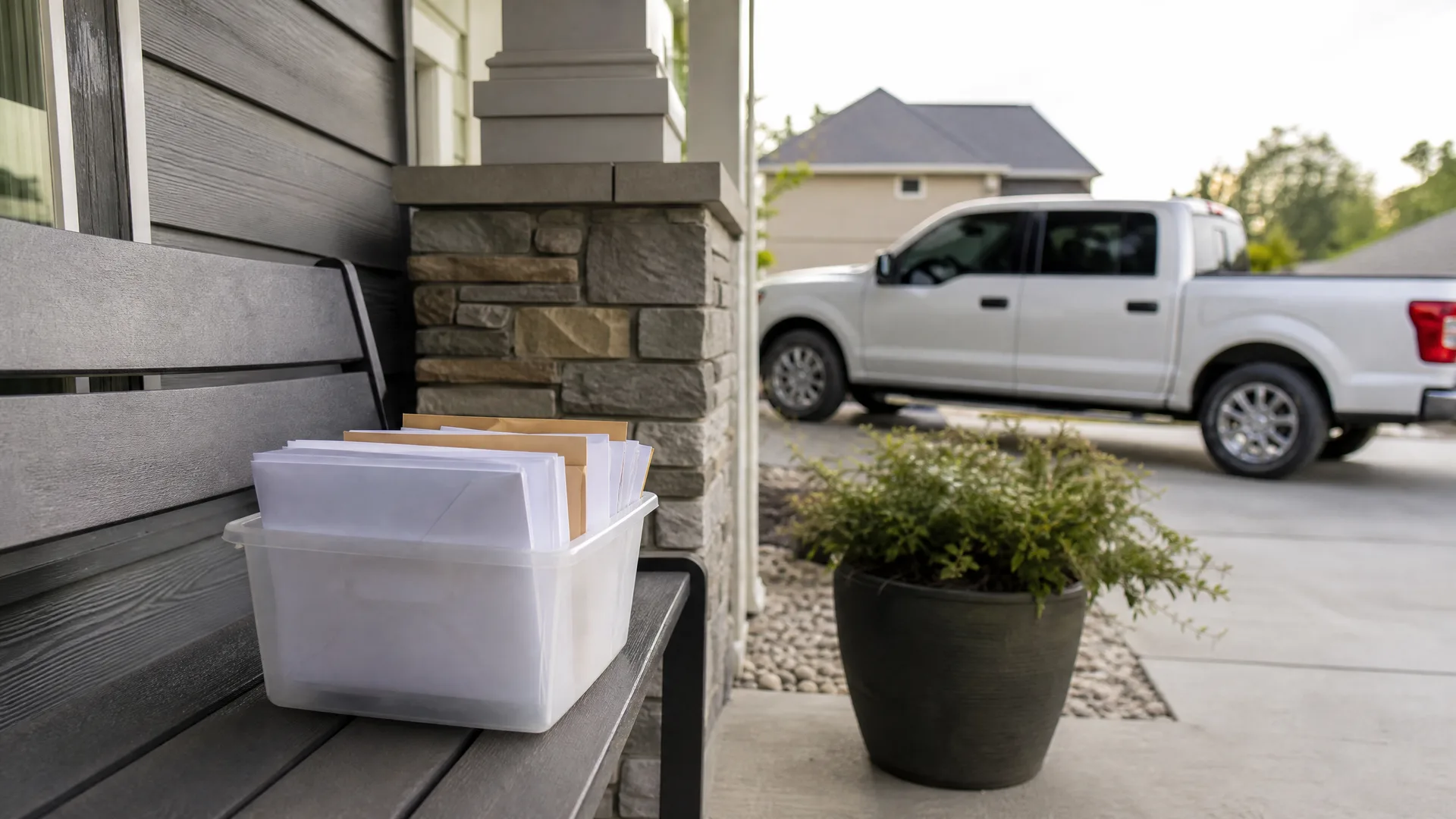
What the car is worth and where it's kept
The less the car is worth, the less sense comprehensive and collision coverage makes, because the payout is capped at the car's value, minus your deductible. For an older car worth little, that payout might not be worth the extra premium you're paying to keep the coverage.
Where the car sits matters too. A locked garage is a lower risk than a street or an open lot, and insurers take this into account. If you've moved the car into a garage or a more secure spot, tell your insurer, since it can lower what you pay for comprehensive coverage even if you keep it.
If the car has any value at all, dropping comprehensive entirely means you'd pay out of pocket for theft, fire or storm damage. For some owners that's an acceptable risk. For others, especially if the car is a classic or still has resale value, it isn't worth the exposure.
Questions people ask about this
Can I insure a car for theft and fire only without driving it?
Yes, this is usually called comprehensive-only or storage coverage. It covers non-driving risks like theft, fire and weather damage but drops liability and collision. Ask your insurer whether they offer this and what it requires, such as proof the car isn't being driven.
Do I need to tell my insurer if I stop driving a car regularly?
Yes, you should tell your insurer how the car is actually being used, since your premium is based partly on expected mileage and use. Insuring a car as daily-driven when it mostly sits may mean you're paying more than you need to.
Will my rate go up if I reinstate full coverage later?
It depends on your insurer and whether there was a lapse in coverage in between. Ask directly what happens to your rate if you drop to a reduced policy now and want full coverage again later.
Can I register a car as non-operational to avoid paying for insurance?
Some states allow this, often called a planned non-operation status. It typically means the car can't be driven or parked on public roads until it's reactivated. Check with your state's DMV, since the rules and availability differ by state.
Does a car sitting unused affect my insurance score or discounts?
It can affect what discounts you qualify for, since some insurers offer lower rates for low mileage or garage parking. Ask your insurer what documentation they need to apply a low-mileage or storage discount.
See what a reduced policy would cost compared to what you're paying now.
Call your insurer and ask directly what your options are for a car that's parked most of the time. Have the car's current mileage, where it's stored, and whether it's still financed ready to discuss. Ask specifically about comprehensive-only or storage coverage, and whether your state allows a non-operational registration status. If you plan to drive it again within the year, ask how a lapse or a reduced policy now would affect your rate later. Get the details in writing or by email so you have something to check against your next renewal notice.