Car Insurance for Seniors Who Rarely Drive in Iowa
Driving less can lower your rate in Iowa, but you usually have to ask your insurer for the discount and prove your mileage.
Yes, but you have to ask for it
Iowa doesn't require insurers to lower your rate because you drive less, but most insurers offer some kind of low-mileage discount and will apply it if you tell them your actual driving habits. If your insurer hasn't asked about your yearly mileage recently, your policy may still be priced as if you commute every day.
The size of any reduction depends entirely on your insurer, since each one sets its own mileage bands and discount rules. Some ask you to estimate your annual mileage. Others want an odometer reading at renewal or use a telematics device to track it directly.
How your insurer verifies your mileage matters
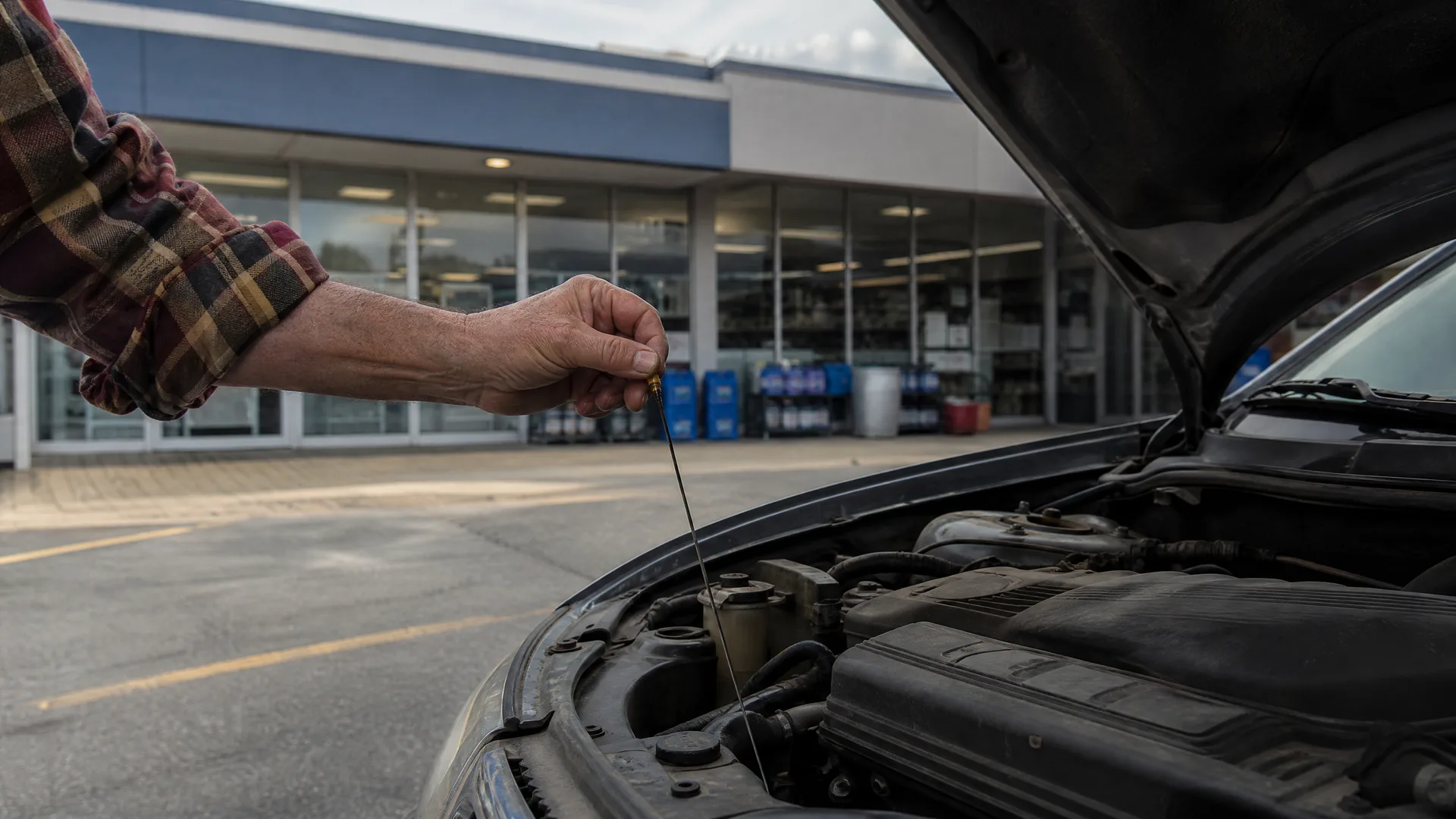
Some insurers simply take your word for your estimated annual mileage, at least at first. Others ask for documentation, like a service record showing your odometer reading, or they enroll you in a usage-based program that tracks your driving automatically through an app or plug-in device.
If your insurer relies on self-reported estimates, call and update that number if you've cut back on driving since you last renewed. An estimate from years ago, back when you were driving to work daily, will keep your premium higher than it needs to be.
If your insurer uses a tracking device or app instead, ask how the data affects your rate and whether there's a minimum enrollment period. Some of these programs can also raise your rate if the data shows other risk factors, like hard braking or late-night driving, so ask that question before you sign up.
Either way, the burden is on you to report the change. Insurers don't automatically lower your premium just because you're retired or driving fewer miles than you used to.
What else your insurer is weighing besides mileage
Mileage is one factor, not the only one. Your insurer is also looking at your driving record, how long you've been continuously insured, and in many cases your age itself, since insurers set their own views on risk by age group and those views vary by company.
This is why two drivers in Iowa with the same low mileage can get different rates from the same insurer, or different discounts from two different insurers. A clean record over many years can matter more to one company than a low mileage count does to another.
If you've also completed a defensive driving or mature driver course, ask your insurer whether that creates a separate discount on top of any mileage-based one. The two are usually treated separately, and you often have to send in a certificate for the course discount to apply at all.
Because insurers weigh all of this differently, it's worth asking your current insurer directly what combination of discounts you qualify for, rather than assuming the mileage discount alone will show up on its own.
Questions people ask about this
Does canceling my commute change my insurance automatically?
No, your insurer won't know unless you tell them. Call your agent or insurer and update your estimated annual mileage, and ask if that changes your rate at your next renewal or sooner.
Will my rate go up again if I start driving more later?
It can, since your premium is based partly on the mileage estimate on file. If your driving increases again, tell your insurer so your coverage and rate reflect your actual use, which also protects you if you ever need to file a claim.
Does parking my car instead of driving it lower my insurance in Iowa?
It depends on what you mean by parking it. If you still have it registered and insured for occasional use, a low-mileage discount may apply. If you plan to not drive it at all for an extended period, ask your insurer about a storage or non-operational policy, since that's a different kind of coverage with different rules.
Do I need full coverage if I barely drive in Iowa?
That depends on whether you still owe money on the car and how much you could afford to replace it yourself. Driving less doesn't remove the risk of theft, fire, or weather damage while the car sits parked, so ask your insurer what dropping comprehensive or collision would actually save you before deciding.
Can I get a usage-based insurance discount if I only drive to appointments in Iowa?
Possibly, since usage-based programs are generally built for exactly this kind of occasional driving. Ask your insurer whether they offer one, how the mileage or driving data is collected, and whether your rate can go up as well as down once you're enrolled.
See what insurers in Iowa would charge you for the driving you actually do.
Find your most recent odometer reading or a rough estimate of how many miles you drive in a year, since you'll need that number to get an accurate quote. Call your current insurer and ask directly whether they offer a low-mileage or usage-based discount, and what they need from you to apply it. If you've taken a defensive driving or mature driver course, locate the completion certificate, since you may need to send it in separately. Then compare quotes from a few insurers, since mileage discounts and age-based pricing both vary by company, and the only way to know who offers you the best rate is to ask more than one.