Occasional Driver Car Insurance for Seniors in Iowa
An occasional driver discount is possible in Iowa, but your insurer decides the mileage cutoff and what counts as proof.
Yes, but the insurer sets the terms
Iowa doesn't require insurers to offer an occasional driver discount, and it doesn't set the rules for one either. Whether you qualify, and how much it saves you, comes down to the company you're with.
Most insurers that offer this discount base it on how many miles you drive in a year. If you've cut back on driving, whether that's because you retired, moved closer to things you need, or just drive less than you used to, you may fall under the mileage threshold your insurer uses. But that threshold isn't the same everywhere, so the only way to know is to ask your own insurer directly.
How your insurer verifies low mileage
Some insurers take your word for your annual mileage estimate. Others ask for an odometer reading at renewal, or use a telematics device or app to track actual miles driven.
If your insurer relies on your estimate, lowballing it to get the discount can backfire. If you're ever in an accident and the claim adjuster pulls your odometer history or service records, a mileage estimate that was clearly wrong can complicate the claim.
If your insurer uses a tracking device or app, ask how it affects your rate if your driving patterns change partway through the year. Some programs adjust automatically at renewal, others don't adjust until you call and report the change yourself.
Either way, the discount isn't something that just appears because you're driving less. You usually have to report the change and sometimes provide proof.
What else affects whether it's worth asking about
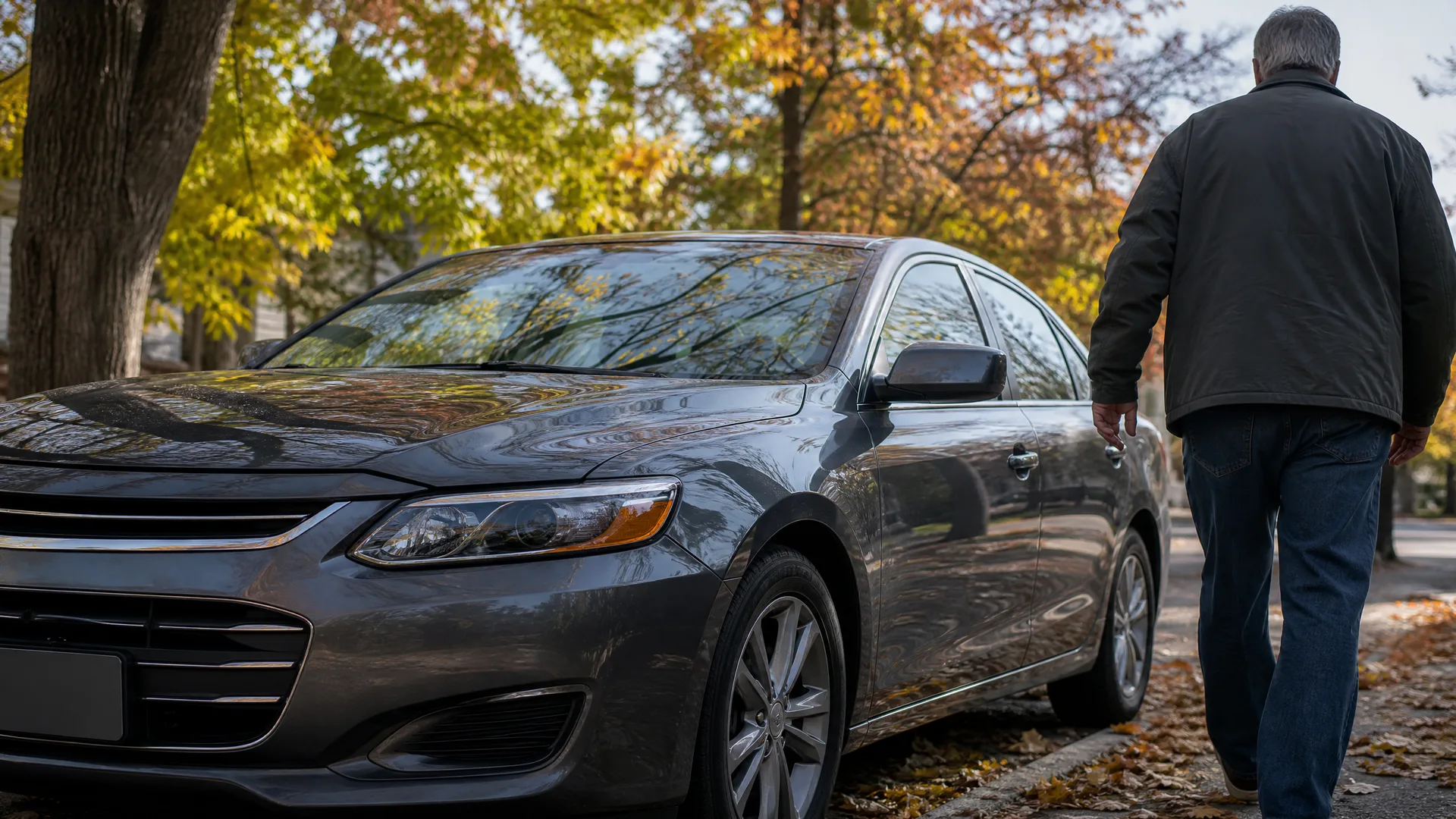
If you're a senior who's stopped commuting, retired, or no longer does the driving your spouse used to do, your household's total mileage may have dropped even if you still drive every day. That's worth mentioning to your insurer too, since some discounts apply per vehicle rather than per driver.
Also ask whether this discount can be combined with others you may already qualify for, like a defensive driving course completion or a long-term customer discount. Insurers vary on whether these stack or whether one replaces another.
If you share a car with another driver in the household, ask how the insurer wants mileage reported. Some want the total for the vehicle, not per driver, which can change whether you clear the threshold.
Finally, ask what happens if your mileage goes back up later, say you start driving grandchildren around or take on more errands. Find out if the discount is removed automatically or if you need to report the change yourself.
Questions people ask about this
does usage-based insurance work differently for seniors in Iowa?
The insurance works the same regardless of age. Usage-based programs track mileage, speed, or braking patterns, and seniors qualify under the same terms as any other driver. Ask your insurer whether the program has any features, like how it handles sudden stops or nighttime driving, that could affect a senior driver differently.
will my rate go up if I report fewer miles but still drive sometimes?
No, reporting lower mileage accurately should not raise your rate, since insurers use mileage to estimate risk, and less driving generally means lower risk in their eyes. What matters is that the number you report reflects your actual driving. Ask your insurer how they want you to estimate mileage if your driving varies from month to month.
do I need to tell my insurer if I stop driving at night?
You don't need to report changes in when you drive, only changes in how much you drive overall, unless your insurer specifically asks about driving habits as part of a telematics program. If you're enrolled in a usage-based program that tracks time of day, ask whether reducing night driving affects your score or rate.
can I get a discount if I only drive to doctor appointments and errands?
You may qualify for an occasional driver discount if your total annual mileage is low, regardless of the reason you drive less. The discount is usually based on the mileage number itself, not on why you're driving less. Ask your insurer what estimate they'll accept and whether they want a mileage log.
what happens to my occasional driver discount if I move to assisted living but keep my car?
That depends on your insurer and whether your address change affects your rating territory, since insurance rates are also tied to where a car is garaged. Call your insurer when you move to update your address and ask how it affects both your mileage discount and your overall rate.
See what other Iowa insurers would charge before you decide whether this discount is worth asking about.
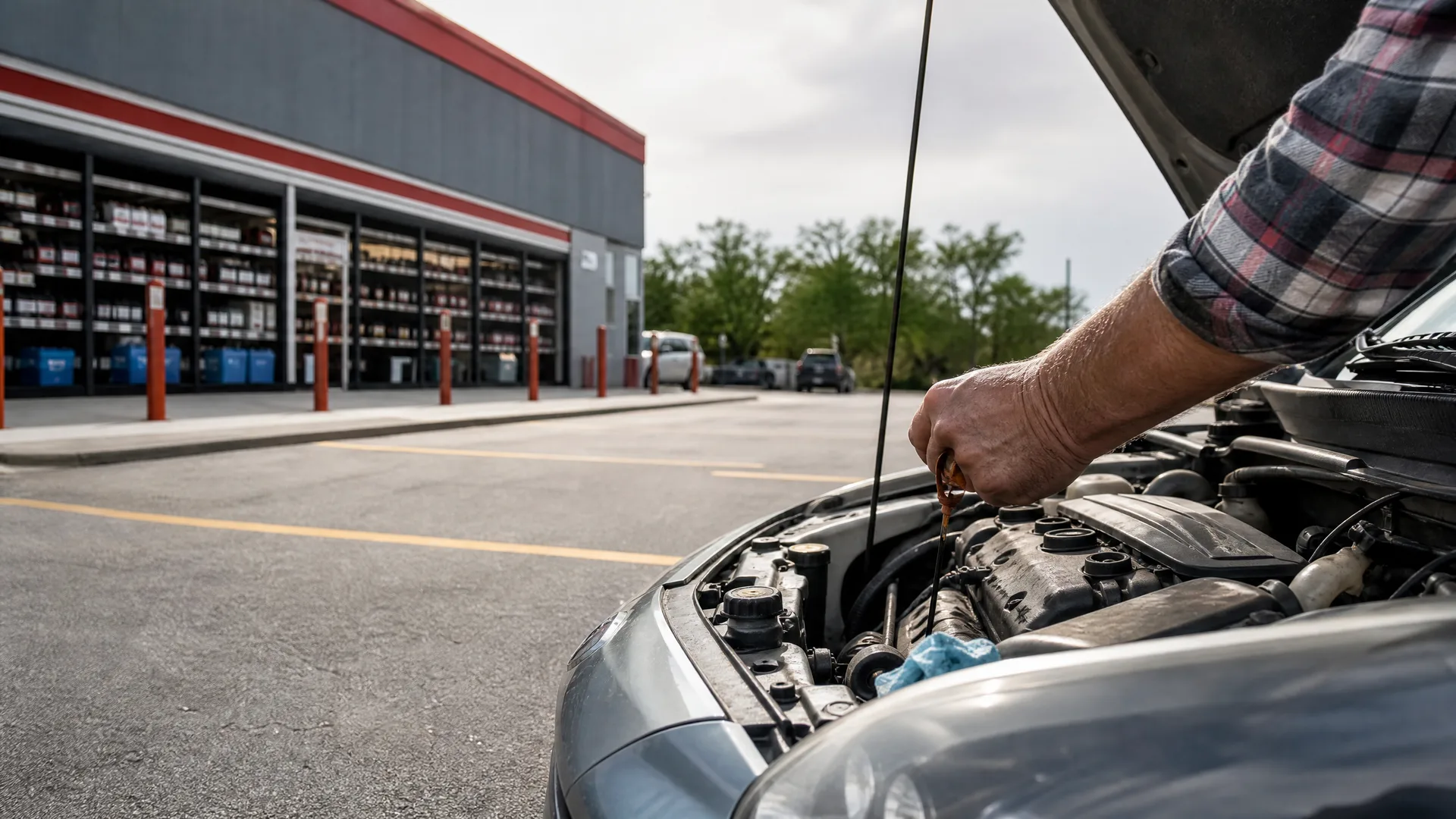
Call your current insurer this week and ask directly whether they offer a low mileage or occasional driver discount, and what mileage number qualifies. Have last year's odometer reading or a recent mileage estimate ready, since they'll likely ask for it on the spot. Ask whether the discount requires ongoing proof, like photos of your odometer or a tracking app, or if it's a one-time estimate at renewal. If your current insurer doesn't offer anything useful, compare quotes from a few others that do serve Iowa drivers, since this discount and its rules vary by company, not by state law.