Low Mileage Car Insurance for Seniors in Iowa
Iowa seniors who drive fewer miles than average can often get a lower rate, but you have to ask for it and prove it.
Yes, if you drive less than your insurer's average driver
Most insurers in Iowa offer some kind of low mileage discount, but none of them apply it automatically. You have to tell them how much you actually drive, and some will ask you to confirm it with an odometer reading or a photo of your dashboard.
For a lot of seniors this discount is a real fit. Retirement usually means less commuting, fewer trips across town, and a car that sits in the garage more than it used to. If that describes you, the discount is worth asking about. What you save depends on your insurer and how they count mileage, so the only way to know your number is to ask them directly.
Your insurer decides what counts as low mileage
There's no single definition of low mileage in Iowa or anywhere else. Each insurer sets its own threshold, and some use bands, so driving a little less than average might not move you into a cheaper tier while driving a lot less might.
Some companies ask for an odometer reading at your renewal. Others want a photo or a statement of your average weekly driving. A few use a plug-in device or an app that tracks your actual mileage over time, which can work well if you're comfortable with it but isn't for everyone.
Because the rules vary so much, the only way to find out what you'd qualify for is to call your insurer or your agent and ask them directly how they measure low mileage and what you'd need to provide.
If you've recently retired, stopped commuting, or given up a second car, mention that specifically. It's the kind of change that often qualifies someone who didn't before.
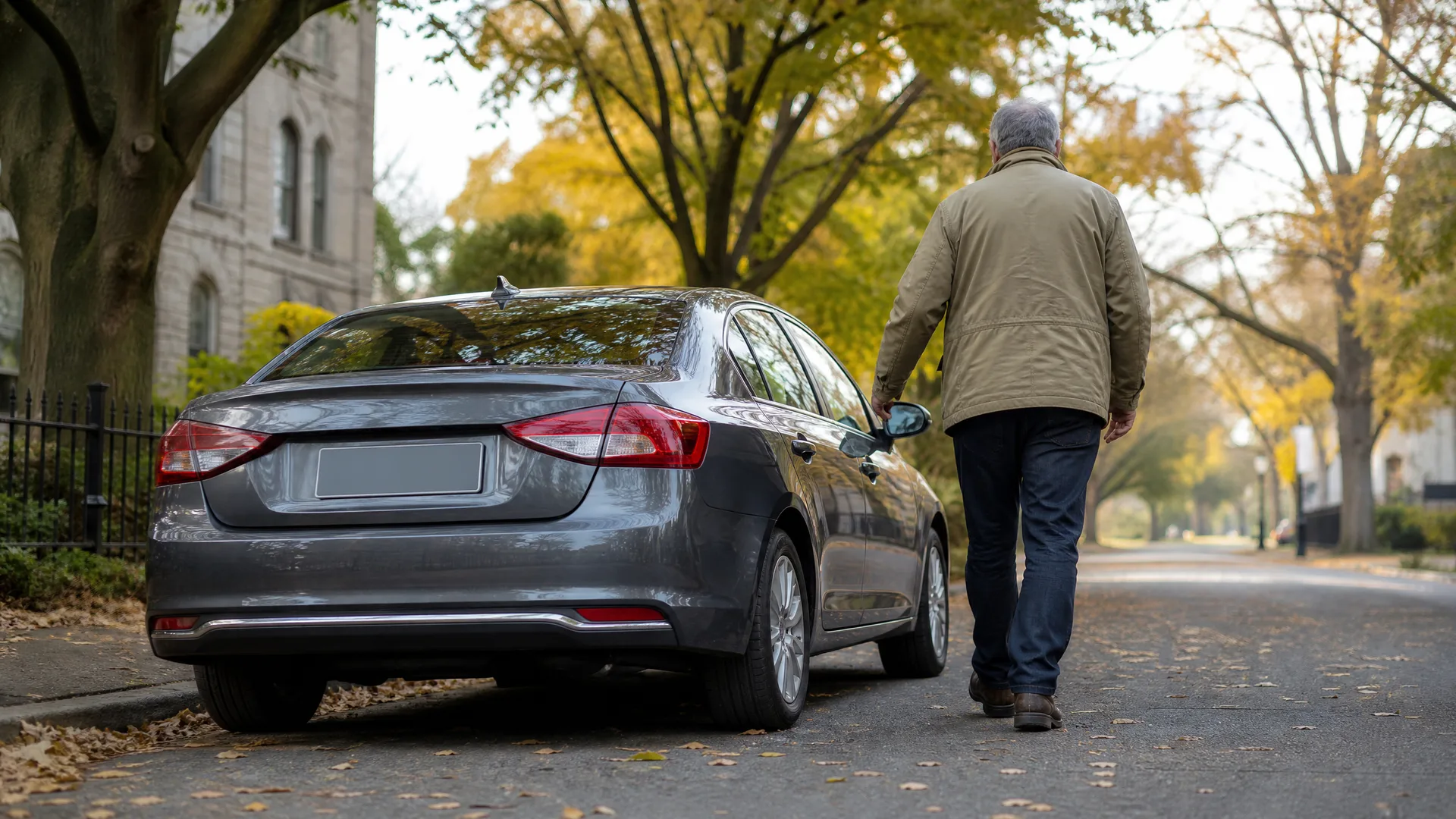
How you report your mileage matters as much as the number itself
An estimate you give over the phone is treated differently than a verified reading. Some insurers will take your word for it on a low mileage estimate, at least at first, while others want documentation before they'll apply the discount.
If your insurer asks for an odometer photo or a reading, write down the number yourself and keep it somewhere you'll find it again. That way you have your own record if there's ever a question about it later.
It also helps to think honestly about a full year, not just a typical week. If you still take a long road trip once or twice a year, or drive to see family out of state, make sure your estimate accounts for that so you don't end up reporting a number you can't support later.
If your driving has dropped because you no longer work, or because a spouse now does most of the driving, say that plainly when you call. It's exactly the kind of detail that changes how the discount gets applied.
Questions people ask about this
Does Iowa require a vision test for senior drivers to keep their license?
Vision and renewal requirements for older drivers are set by the Iowa DOT, not by insurers. The rules can depend on your age and how your license is classified, so check directly with the Iowa DOT for what applies to you.
Will a low mileage discount lower my rate more than a defensive driving course?
It depends on your insurer, since each one weighs these discounts differently. Ask your agent whether the two can be combined, since many insurers allow both at once.
Do I need to update my mileage every year or just once?
Most insurers want an updated mileage estimate at each renewal, not just when you first sign up. If your driving changes partway through the year, call and tell them rather than waiting for renewal.
Can I get a low mileage discount if I only drive a second car occasionally?
Some insurers do offer a separate low mileage rate for a car that's used only occasionally, but this depends on the company. Ask your agent specifically about your second vehicle rather than assuming it falls under the same policy terms as your main car.
What happens if I report low mileage but then drive more than expected?
This depends on your insurer's policy, since some only check at renewal while others monitor more closely. Ask what happens if your actual mileage comes in higher than your estimate, so you know whether to expect a rate adjustment or just a conversation at renewal.
See what insurers in Iowa would charge you based on how much you actually drive.

Before you call your insurer, write down your actual mileage for the past year as closely as you can, using your odometer or old inspection records if you have them. Call your agent and ask directly whether you qualify for a low mileage discount and what proof they need. If they want an odometer reading, take the photo yourself and keep a copy. Ask whether the discount applies for a full year or needs to be renewed, and mention any recent change in your driving, like retiring or giving up a commute, since that's often what qualifies someone who didn't before.